Stimulants, Supplements, and Gabapentin: What Energy Drinks and Pre-Workouts Are Doing to Your Medication
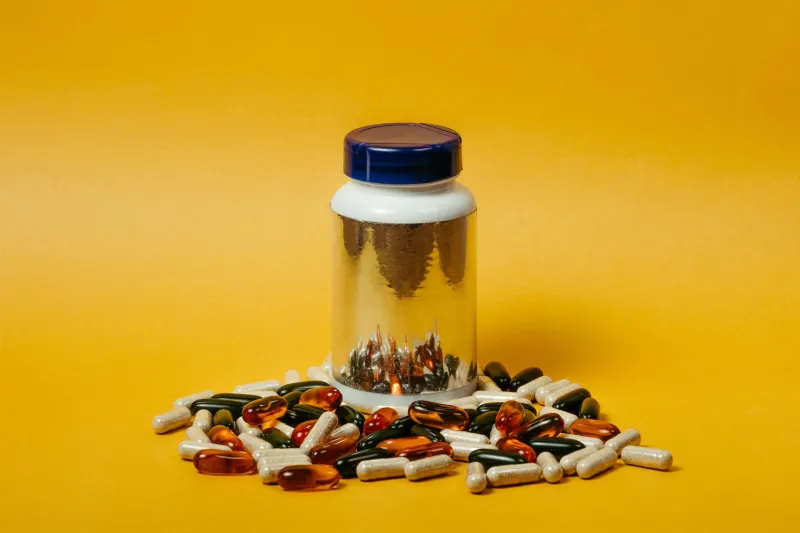
For millions of Americans, reaching for an energy drink before work or mixing a scoop of pre-workout powder before hitting the gym is as routine as brushing their teeth. These products are widely available, heavily marketed, and generally perceived as harmless. But for patients taking gabapentin, this casual relationship with caffeinated and stimulant-based products deserves a much closer look.
Gabapentin is prescribed for a range of conditions — epilepsy, nerve pain, restless leg syndrome, and several off-label uses including anxiety and fibromyalgia. Regardless of the reason you are taking it, the medication interacts with your central nervous system in ways that can be meaningfully disrupted by the stimulants found in many popular consumer products.
Why This Goes Beyond Your Morning Cup of Coffee
Most patients are at least vaguely aware that caffeine and medications can sometimes interact. However, the conversation tends to stop at coffee. What often goes unacknowledged is the sheer volume of caffeine and stimulant compounds present in products that do not look or feel like traditional caffeinated beverages.
Consider the following:
- Energy drinks such as Monster, Reign, Bang, and Celsius can contain anywhere from 150 to 300 milligrams of caffeine per can — the equivalent of two to three standard cups of coffee, often consumed in a single sitting.
- Pre-workout supplements frequently contain 200 to 400 milligrams of caffeine per serving, sometimes combined with additional stimulants like beta-alanine, synephrine, or yohimbine.
- Stimulant-based diet pills and fat burners sold at pharmacies and supplement retailers often contain caffeine alongside thermogenic compounds that amplify the stimulant effect.
- Certain teas, sparkling water brands, and flavored hydration products now include added caffeine, sometimes without prominent labeling.
When a patient on gabapentin consumes these products — often without thinking of them as medications or significant substances — the interaction with their prescription can become a real clinical concern.
How Caffeine and Stimulants Can Affect Gabapentin's Performance
Gabapentin works by modulating calcium channels in the brain, reducing the excitability of neurons involved in pain signaling and seizure activity. One of its most common side effects is sedation and cognitive slowing — the nervous system is, in a sense, being quieted.
Caffeine and stimulants work in the opposite direction. They block adenosine receptors in the brain, promoting wakefulness and increasing neurological arousal. When taken in large quantities alongside gabapentin, this opposition creates a pharmacological tug-of-war that can have several undesirable consequences.
Amplified side effects. Rather than simply canceling each other out, stimulants and gabapentin can interact unpredictably. Some patients report heightened anxiety, heart palpitations, or dizziness when consuming high-caffeine products while on gabapentin — a sign that the nervous system is being pulled in competing directions simultaneously.
Disrupted sleep architecture. Gabapentin is sometimes used precisely because it can improve sleep. High caffeine intake, particularly later in the day, can undermine this benefit entirely, leaving patients in a cycle of poor sleep and increasing fatigue.
Masking of over-sedation. Stimulants may mask the sedative effects of gabapentin, leading patients to feel more alert than they actually are. This is particularly concerning for tasks that require sustained concentration, such as driving. A patient may believe they are functioning normally when their reaction time and judgment are still meaningfully impaired.
Gastrointestinal distress. Both gabapentin and high-dose caffeine independently contribute to digestive discomfort in some patients. Combined, they may worsen nausea, loose stools, or stomach cramping.
The Hidden Stimulant Problem: Reading Labels Carefully
One of the most significant challenges patients face is simply identifying how much caffeine and how many stimulants they are actually consuming. Unlike prescription medications, dietary supplements in the United States are not subject to the same rigorous FDA oversight. Labeling can be vague, serving sizes can be misleading, and proprietary blends may obscure the actual quantities of individual ingredients.
Some practical steps for identifying hidden stimulant exposure include:
- Check the supplement facts panel on any product you consume regularly, not just energy drinks. Protein powders, nootropic supplements, and even some vitamin products contain added caffeine.
- Look beyond the word "caffeine." Guarana, yerba mate, green tea extract, and kola nut are all caffeine-containing ingredients that may not be immediately recognizable.
- Be cautious with "natural energy" products. The word natural does not mean safe or low-stimulant. Many natural energy supplements contain high concentrations of plant-derived stimulants.
- Track your total daily caffeine intake. Most clinical guidelines suggest that 400 milligrams per day is the upper limit for healthy adults. Patients on gabapentin may find that their individual tolerance is lower.
Managing Your Energy Levels Safely While on Gabapentin
Fatigue is one of the most frequently reported side effects of gabapentin, and it is entirely understandable that patients seek ways to compensate. The challenge is doing so without introducing substances that complicate the medication's effects.
The following strategies can help patients address low energy in ways that are less likely to interfere with their treatment:
Discuss fatigue openly with your prescriber. If gabapentin-related fatigue is significantly affecting your quality of life, your physician may be able to adjust your dosing schedule — for example, shifting a larger portion of the dose to the evening — to reduce daytime sedation.
Prioritize sleep hygiene. Because gabapentin can affect sleep architecture in complex ways, maintaining consistent sleep and wake times, limiting screen exposure before bed, and creating a restful sleep environment can meaningfully improve daytime energy without requiring stimulants.
Consider moderate, low-caffeine alternatives. If you feel you need some caffeine to function, a standard cup of brewed coffee or a modest serving of black tea provides a far more controlled dose than energy drinks or pre-workouts. Discuss even this level of caffeine use with your healthcare provider if you are unsure.
Evaluate your overall nutritional status. Gabapentin has been associated with the depletion of certain nutrients, including B vitamins, which play a role in energy metabolism. A simple blood panel can help determine whether nutritional factors are contributing to fatigue.
Exercise with awareness. Physical activity is one of the most evidence-supported ways to combat fatigue, but patients on gabapentin who wish to exercise should approach pre-workout supplements with significant caution. Plain water, adequate nutrition, and appropriate warm-up routines are safer choices than stimulant-laden powders.
A Conversation Worth Having With Your Doctor
Many patients hesitate to mention their supplement habits during medical appointments, often because they do not consider energy drinks or pre-workouts to be medically relevant. This is a gap worth closing. Your prescribing physician and pharmacist need a complete picture of everything you consume regularly — including supplements, energy products, and over-the-counter items — to help you use gabapentin as safely and effectively as possible.
If you are currently using high-stimulant products alongside your gabapentin prescription, consider bringing them up at your next visit. A brief, honest conversation could meaningfully improve both your symptom management and your overall sense of well-being.