What Gabapentin Is Doing to Your Mouth: A Guide to Protecting Your Dental Health
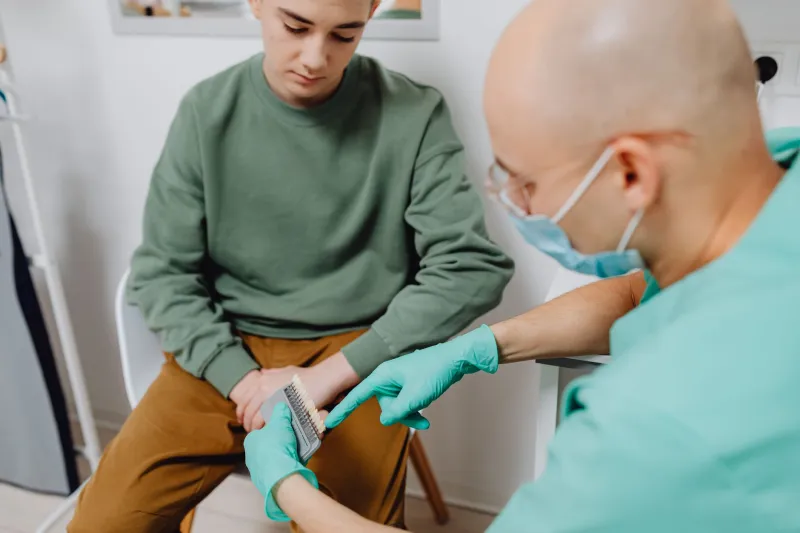
Most patients who begin gabapentin therapy focus on the effects they expect: relief from nerve pain, fewer seizures, or improved sleep. What they rarely anticipate is a change in their dental health. Yet for a meaningful number of people taking this medication, the mouth becomes an early and persistent site of side effects — ones that can quietly escalate into serious dental problems if left unaddressed.
This guide explains the connection between gabapentin and oral health, the biological reasons behind these complications, and the practical steps patients can take to protect their teeth and gums.
The Dry Mouth Problem: More Serious Than It Sounds
Xerostomia — the clinical term for dry mouth — is one of the most commonly reported side effects of gabapentin, yet it tends to be dismissed as a minor inconvenience. In reality, chronically reduced saliva production creates conditions in the mouth that are genuinely harmful over time.
Saliva serves several critical protective functions. It neutralizes the acids produced by oral bacteria, washes away food particles, delivers minerals that help remineralize tooth enamel, and contains antimicrobial proteins that keep bacterial populations in check. When gabapentin suppresses the nervous system pathways involved in saliva secretion, all of these protective mechanisms are compromised simultaneously.
The result is a mouth that becomes more acidic, more hospitable to decay-causing bacteria, and less capable of repairing minor enamel damage on its own. Patients who have maintained healthy teeth for decades may find themselves developing cavities at an accelerated rate after starting gabapentin — not because their hygiene habits changed, but because the biological environment in their mouth did.
Gum Tissue and Gabapentin: An Overlooked Relationship
Beyond tooth decay, gabapentin use has been associated with changes in gum health. Reduced saliva flow allows bacterial biofilm — the sticky layer more commonly known as plaque — to accumulate more readily along the gumline. Without the natural flushing action of adequate saliva, this biofilm is harder to control even with consistent brushing and flossing.
Over time, unchecked plaque buildup can progress from gingivitis (early-stage gum inflammation) to periodontitis, a more serious infection that damages the soft tissue and bone supporting the teeth. Patients on gabapentin who already have risk factors for gum disease — such as smoking, diabetes, or a family history of periodontal problems — face a compounded risk.
In some cases, patients also report altered taste sensation while taking gabapentin. Though this side effect is less well-documented than dry mouth, changes in taste perception can indirectly affect oral health by influencing food choices or reducing the motivation to maintain regular oral hygiene routines.
Why Your Dentist Needs to Know
Many patients do not think to mention their gabapentin prescription during a dental appointment. Medication disclosure often feels like a formality — something relevant only to surgeons or primary care physicians. But the information is genuinely consequential in a dental context.
First, your dentist needs to understand why you may be experiencing unusual patterns of decay or gum inflammation. Without knowing you are on gabapentin, a dentist may attribute deteriorating oral health to poor hygiene or dietary choices, missing the actual underlying cause and therefore the most effective intervention.
Second, gabapentin interacts with certain medications used in dental procedures. Sedatives and anesthetics — including those used for routine procedures like tooth extractions or root canals — can have amplified effects in patients taking gabapentin due to the drug's central nervous system depressant properties. Your dentist needs this information to calibrate sedation safely and to monitor you appropriately during and after any procedure.
Third, some topical anesthetics and oral rinses contain ingredients that may interact with gabapentin or that are particularly irritating to already-compromised oral tissue. A dentist who knows your medication history can make better-informed product recommendations.
Bring a current medication list to every dental appointment, including the name of the drug, your dosage, and how long you have been taking it. This is a straightforward step that significantly improves the quality of care you receive.
Practical Strategies for Protecting Your Oral Health
The good news is that the dental risks associated with gabapentin are manageable with consistent, targeted effort. The following strategies are widely recommended by dental professionals for patients dealing with medication-induced dry mouth and related complications.
Increase your hydration deliberately. Sipping water throughout the day — rather than drinking large amounts infrequently — helps compensate for reduced saliva flow and keeps oral tissues from drying out. Avoid beverages that worsen dehydration, including alcohol and caffeinated drinks consumed in excess.
Use saliva substitutes or stimulants. Over-the-counter products such as xylitol-containing gum, lozenges, and oral moisturizing sprays are designed specifically for dry mouth management. Xylitol, in particular, has the added benefit of inhibiting the growth of Streptococcus mutans, the primary bacteria responsible for tooth decay. Ask your pharmacist or dentist for product recommendations suited to your situation.
Adjust your fluoride routine. Patients with dry mouth are frequently advised to use a high-fluoride toothpaste or to apply prescription-strength fluoride gel at home. Fluoride helps compensate for reduced remineralization by strengthening enamel against acid attack. Your dentist can determine whether a prescription fluoride product is appropriate for your level of risk.
Brush and floss with greater frequency and care. Twice-daily brushing remains the standard recommendation, but patients on gabapentin may benefit from brushing after meals as well, given that food particles linger longer in a dry oral environment. Use a soft-bristled toothbrush and fluoride toothpaste, and do not neglect the gumline.
Schedule dental cleanings more frequently. Many patients are accustomed to twice-yearly dental visits. If gabapentin has altered your oral environment, your dentist may recommend cleanings every three to four months to stay ahead of plaque accumulation and catch early-stage problems before they escalate.
Breathe through your nose when possible. Mouth breathing significantly worsens dry mouth, particularly during sleep. If nighttime mouth breathing is a concern, discuss it with your physician — it may indicate an underlying issue such as nasal congestion or sleep apnea that can be addressed.
A Note on Long-Term Monitoring
Patients who take gabapentin on a long-term basis face cumulative oral health risks that increase with duration of use. A single dental exam at the start of therapy is not sufficient. Ongoing monitoring — ideally in coordination between your prescribing physician and your dentist — provides the best opportunity to catch and address problems early.
If you notice symptoms such as persistent dry mouth, bleeding gums, tooth sensitivity, or visible changes in your gum tissue, do not wait until your next scheduled appointment to raise these concerns. These are signs that warrant prompt evaluation.
Gabapentin offers genuine therapeutic benefits for many patients, and those benefits need not come at the cost of your oral health. With awareness, transparent communication with your providers, and a proactive hygiene routine, the dental risks associated with this medication are substantially controllable.